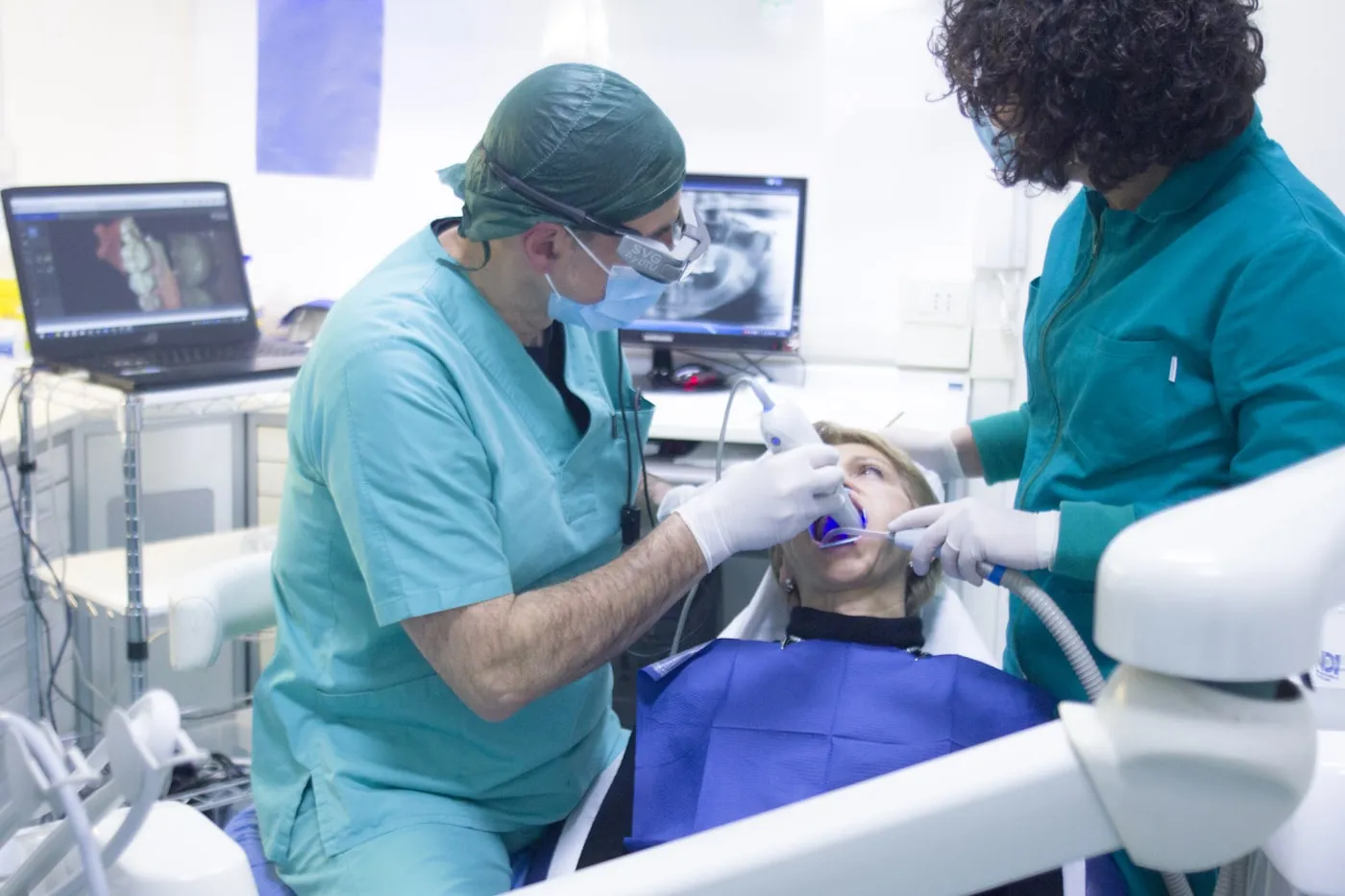

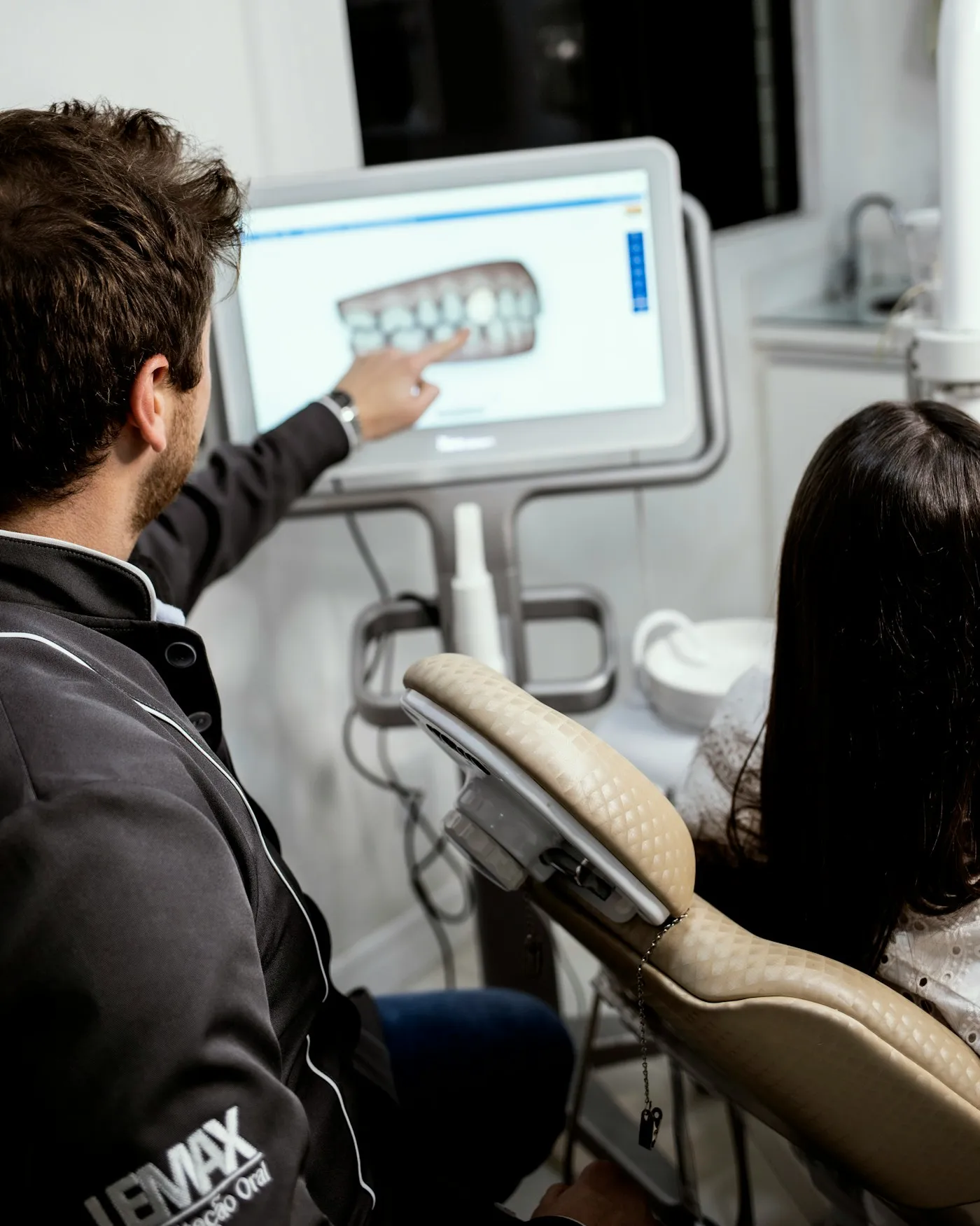
Most patients who ask us about chronic halitosis treatment in Berkeley have already tried the obvious: better brushing, tongue scraping, prescription mouthwash, cutting out garlic and coffee. Something works for a few weeks, then the smell comes back. The problem isn't a lack of effort — it's a missing diagnosis. Halitosis isn't a single condition; it's a symptom with more than a dozen documented root causes, and treating the wrong one is why so many people cycle through fixes that never stick. At our Berkeley office, we run a structured 7-step workup on every halitosis patient before we recommend a single change. Here's what's in it and why it matters.
Why Guessing at Bad Breath Doesn't Work
Roughly 90% of chronic bad breath originates inside the mouth, but the mouth has dozens of possible origin points: periodontal pockets, tongue coating, decayed molars, cracked crowns, tonsil crypts, dry salivary glands. The remaining 10% is systemic — reflux, chronic sinusitis, uncontrolled diabetes, medication side effects. Two patients with identical symptoms can need completely different chronic halitosis treatment plans. A hunch will land the wrong one about half the time. A workup won't.
The 7-Step Acorn Halitosis Workup
Step 1: Symptom & Medical History Review
Before we look inside your mouth, we ask questions. When did the smell start? Is it constant, or worse at specific times of day? Have close contacts commented, or are you the only one who notices? What medications are you on — especially antihistamines, antidepressants, or blood pressure drugs that dry the mouth? Any tonsil stones, sinus infections, acid reflux? Family history of gum disease? This 10-15 minute conversation eliminates about a third of the possibilities before we pick up a mirror.
Step 2: Organoleptic Assessment
Sounds clinical — it's a smell test. A trained clinician (in our case, Dr. Teah Nguyen) uses direct olfactory assessment because the human nose still outperforms most consumer devices for detecting the specific volatile sulfur compounds behind bad breath. We assess breath from the mouth and from the nose separately. A difference between the two is a strong signal that the source is sinus-related rather than oral, and it changes the entire treatment path.
Step 3: Volatile Sulfur Compound Screening
We use a chairside sulfide monitor to quantify hydrogen sulfide, methyl mercaptan, and dimethyl sulfide — the three gases responsible for most oral odor. Numbers matter. A methyl mercaptan reading above about 250 parts per billion almost always points to periodontal disease as the driver. Baseline VSC numbers also give us an objective way to measure progress at follow-up, so you're not relying on a partner's polite feedback to know whether treatment is working.
Step 4: Comprehensive Periodontal Exam
We probe every tooth at six points to measure pocket depth, check for bleeding, and record recession. Periodontal disease is the single most common driver of persistent bad breath — anaerobic bacteria living in pockets deeper than 4mm produce sulfur compounds continuously, and no amount of surface brushing reaches them. If we find active periodontitis, gum treatment moves to the front of your plan. If you want the full picture of how periodontal disease drives so much of this, we've broken it down separately in how periodontal disease drives 90% of halitosis cases.
Step 5: Tongue and Soft-Tissue Inspection
We evaluate the entire dorsum of the tongue — especially the back third, where most odor-producing biofilm lives — for coating thickness, papillary changes, and fissures where bacteria hide. We also check tonsils for cryptic openings that harbor tonsil stones, and inspect the palate, cheeks, and floor of the mouth for lesions or infection sources. This step catches the "clean teeth but foul breath" cases that frustrate patients most. For a full look at whether any of this is reversible, we cover that in can halitosis be cured?
Step 6: Saliva Flow and pH Testing
Saliva is your mouth's natural odor control. We measure resting and stimulated flow rates and check pH. Chronic dry mouth (xerostomia) allows sulfur-producing bacteria to thrive and gets overlooked constantly. If your unstimulated flow is under 0.1 mL per minute, dry mouth is either the cause of your halitosis or a major accelerator of it — and no tongue-scraper on the market will fix that. Treatment shifts toward hydration strategy, medication review, and in some cases prescription sialogogues.
Step 7: Systemic Rule-Outs
If the oral exam doesn't fully explain the findings — for example, VSC readings are high but the periodontal exam is clean — we look further. We screen for signs of reflux (enamel erosion patterns on the back of upper teeth), review medication lists for dry-mouth culprits, and refer to primary care or ENT when sinus or gastroenterologic causes are the likely source. We don't guess at systemic disease; we coordinate care with the right specialist.
What Chronic Halitosis Treatment Looks Like After the Workup
Once we know the cause, treatment gets targeted instead of scattershot. Periodontal cases usually start with scaling and root planing followed by a tight maintenance schedule. Dry-mouth cases focus on hydration, xylitol, medication review, and sometimes prescription saliva stimulants. Tongue-driven cases get a specific scraping protocol and, in stubborn cases, an oral probiotic aimed at rebalancing the microbiome. Reflux and sinus cases get co-managed with your physician. You can see how the full chronic halitosis treatment program at our Berkeley office ties diagnosis and treatment together into a single plan you can actually follow.
Who Benefits Most From a Full Workup
If you've been treating bad breath for more than six months without lasting improvement, you need a workup — not another mouthwash. The same is true if a dentist has told you "your teeth look fine" while the smell persists, or if a partner or coworker has recently mentioned it. Sudden-onset halitosis in someone with historically good oral hygiene is also worth investigating quickly; it usually signals a specific, findable cause. For readers earlier in the journey, we walk through what actually works long-term in our guide on how to get rid of bad breath permanently.
What to Bring to Your Appointment
Bring a full medication list (including supplements), any prior periodontal charts, and a note of when the halitosis is worst — mornings, after certain foods, during stress. Avoid strong-smelling foods, mints, and mouthwash for at least three hours beforehand so the exam reflects your true baseline, not a masked version of it. If you've noticed patterns — worse on weekends, better on vacation, tied to a specific medication — write those down. They shorten the diagnostic path.
Frequently Asked Questions About Chronic Halitosis Treatment
- How long does the full 7-step workup take? About 60-75 minutes for the initial visit. A few tests (like stimulated saliva flow measurements) may need a short follow-up.
- Will insurance cover a halitosis workup? Most components are billed under standard periodontal and comprehensive exam codes, which are usually covered. VSC screening is often out-of-pocket but inexpensive.
- Can I do any of this at home first? You can track when the smell is worst and rule out obvious dietary triggers, but you can't measure periodontal pocket depth or VSCs yourself. Home effort narrows the question — it doesn't answer it.
- What's the success rate for chronic halitosis treatment after a full workup? For patients whose cause is oral (about 90% of cases), permanent resolution is the expected outcome once treatment is completed and maintenance is followed.
- Do you offer sedation for anxious patients during the exam? Yes. We offer nitrous oxide sedation and stereo headphones for patients who find dental exams stressful. The workup itself is non-invasive, but comfort matters.
Take the First Step
If you've been living around chronic bad breath, a real diagnosis is the fastest route out. Schedule a halitosis consultation at our Berkeley office and let's find your specific cause — not a mask for it.