

Every week at our Berkeley office, at least one patient asks the same thing: can you brush your teeth with tea tree oil? The short answer is yes, but only in a specific way — and most of the online advice will burn the roof of your mouth if you follow it literally.
I'm Dr. Teah Nguyen, and I've been treating soft-tissue irritation from home essential oil experiments at Acorn Family Dental Care since I took over the practice in 2021. Tea tree oil has real antibacterial power, but it is also the essential oil we see cause the most gum burns. This guide walks through what is genuinely safe, what quietly damages your mouth, and what you should skip entirely.
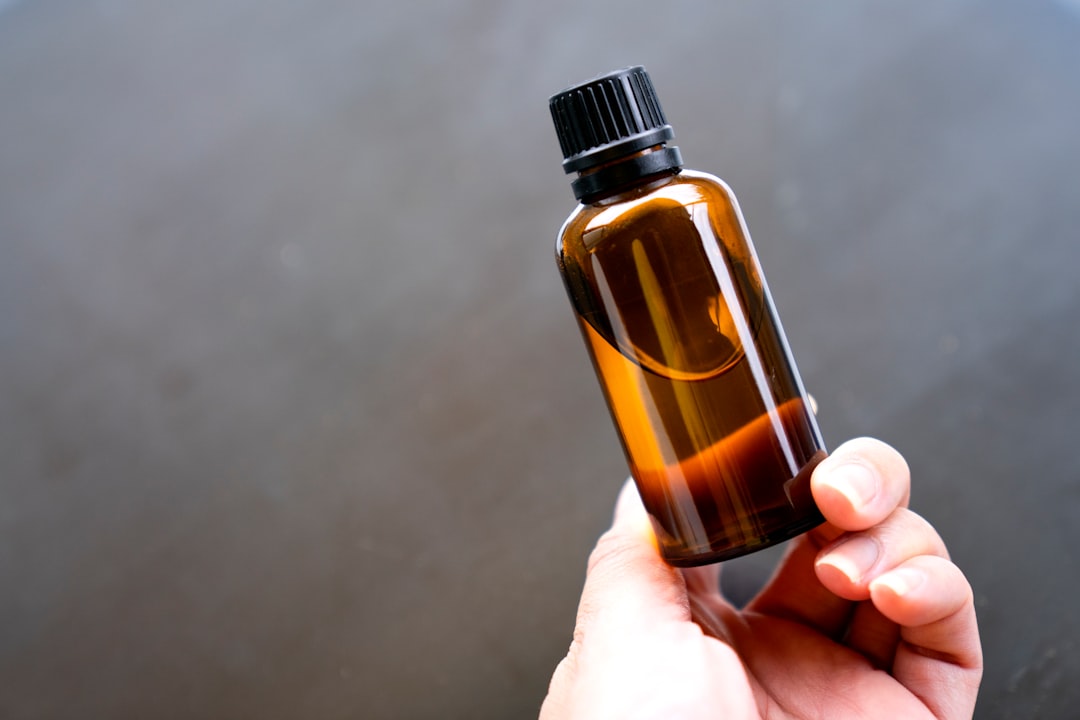
Can You Brush Your Teeth With Tea Tree Oil? The Short Answer
Yes, you can brush your teeth with tea tree oil — but only if you dilute it. Acorn Family Dental Care in Berkeley, CA, considers 1 drop of tea tree oil mixed into a pea-sized amount of your normal toothpaste the safest way to get the antibacterial effect during a brush. Straight, undiluted tea tree oil on a toothbrush is not safe. The oil is concentrated enough to burn the thin skin of the gums and the inside of the cheek in under a minute.
The other safe option is a rinse, not a brush. Add 1 to 2 drops of tea tree oil to 8 ounces of warm water, swish for 30 seconds, and spit fully. Do not swallow. That is the version that gives you most of the benefit with the least tissue damage.
What Tea Tree Oil Actually Does in Your Mouth
Tea tree oil is pressed from the leaves of the Australian Melaleuca alternifolia tree. The active compound, terpinen-4-ol, is a genuine broad-spectrum antimicrobial. Small clinical studies have shown that diluted tea tree oil rinses can reduce plaque bacteria and gum inflammation over 4 to 6 weeks of use.
Here is the honest limit, though: tea tree oil kills bacteria on surfaces. It does not reach inside a tooth, under a filling, or into the bone around a tooth root. That distinction matters because most people reaching for tea tree oil are trying to treat pain that is already coming from a deeper problem. If a tooth is truly infected, no essential oil can reach the source. For a broader look at how other oils compare, see our guide to the best essential oils for toothache.
Tea tree oil is also toxic if you swallow it in more than trace amounts. The National Library of Medicine lists ingestion as a common cause of essential oil poisoning, especially in children.
What's Safe: 3 Ways to Use Tea Tree Oil in Your Mouth
These are the three uses we consider low-risk when done exactly as written. All three assume a food-grade, 100% pure tea tree oil from a reputable brand — not an aromatherapy blend, not a diffuser oil.
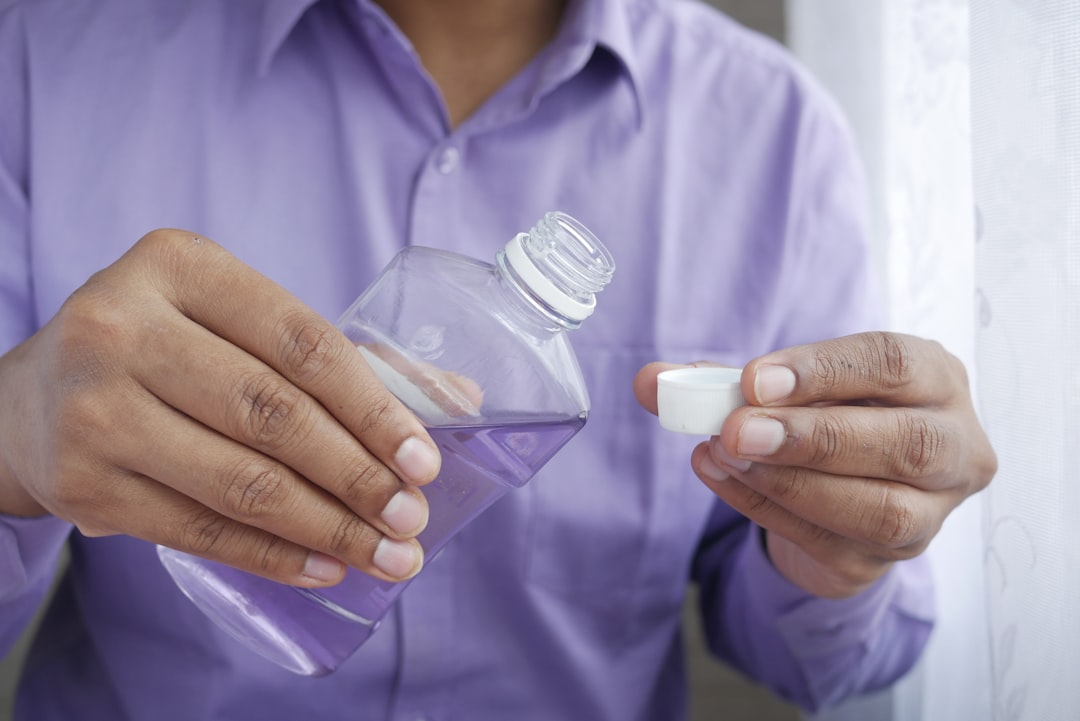
1. The 30-Second Diluted Rinse
- Fill a small glass with 8 ounces of warm (not hot) water
- Add 1 to 2 drops of tea tree oil
- Stir with a clean spoon — the oil will not fully dissolve, and that is normal
- Swish gently for 30 seconds, then spit completely into the sink
- Rinse your mouth with plain water afterward
Use this no more than once a day, and stop for a week if your gums feel raw.
2. The Diluted Brush Add-On
Put your normal pea-sized toothpaste on the brush, then add 1 single drop of tea tree oil on top. Brush the full 2 minutes as usual and spit. Do not swallow the foam. This is safer than a straight tea tree oil brush because the toothpaste and saliva both dilute the oil across the whole mouth.
3. The Carrier-Oil Spot Treatment
For a specific sore gum area, mix 1 drop of tea tree oil into 1 teaspoon of coconut or olive oil. Dab it on with a clean cotton swab, leave it for no more than 5 minutes, and rinse with plain water. This is the only application where tea tree oil should ever touch a single spot of gum tissue directly.
What Burns: The Mistakes We See in Berkeley Chairs
These are the exact patterns that send patients into our Berkeley office with chemically burned tissue. Most people did not realize they were doing anything harmful.
- Brushing with straight tea tree oil on the bristles. The gums often peel within 6 hours. The burn looks like a pale, filmy patch and takes 5 to 10 days to heal.
- Rubbing undiluted oil on a sore tooth or gum. This is the number one cause of tea tree oil burns we treat. The oil sinks into the small cut or ulcer and damages the tissue underneath.
- Gargling at the back of the throat. Tea tree oil can trigger vocal cord irritation and a persistent cough, and any accidental swallow raises the poisoning risk.
- Swallowing "just a drop" for internal use. Even a few drops can cause nausea, dizziness, and confusion in adults. In a small child, one teaspoon can be a medical emergency.
- Using an old, oxidized bottle. Tea tree oil that is more than 12 months past opening is far more likely to trigger a chemical burn. Store it dark, sealed, and toss it if it smells sharp or turpentine-like.
What to Skip Entirely
Some patients should not put tea tree oil in the mouth at all. Skip it if any of the following applies:
- You are pregnant or breastfeeding. There is no safety data for tea tree oil taken in or near the mouth during pregnancy.
- Your child is under 6 years old. Pediatric ingestion of even small amounts has caused hospital admissions.
- You have chronic dry mouth. Tea tree oil strips the little moisture you have left and often makes symptoms worse. If dry mouth is your issue, read our sibling guide on lemon balm, dry mouth, and why your remedies made it worse instead.
- You are actively treating chronic bad breath. Masking odor with tea tree oil can hide the source and delay a real diagnosis. Our Berkeley halitosis clinic tests for the actual bacteria causing the smell.
- You suspect a tooth infection. Swelling, throbbing, fever, or a bad taste means the infection is inside the tooth or bone. Review the signs you need root canal therapy and get in for an exam.
Why Choose Acorn Family Dental Care in Berkeley for Gum and Mouth Concerns
Acorn Family Dental Care has served Berkeley, Oakland, Albany, El Cerrito, Emeryville, and the East Bay since Dr. Dailley opened the practice more than 34 years ago. Dr. Teah Nguyen took over in 2021 and kept the same patient-first standard, including a 98% patient retention rate and extended Wednesday hours until 7 PM for people who cannot leave work midday.
For anxious patients, we offer nitrous oxide sedation and stereo headphones so a soft-tissue exam feels like a low-key visit, not a fight. If you have already tried a home rinse and something is not healing, come in — we can see chemical burns quickly and get you comfortable the same day when needed.
Get a Real Look at What's Going On
Tea tree oil, used carefully, is a reasonable add-on for mild gum inflammation. It is not a substitute for a dentist looking in your mouth. If you have been rinsing with tea tree oil for more than a week and something still hurts, that is a signal — not a reason to use more.
To book a gentle exam with Dr. Teah Nguyen at Acorn Family Dental Care in Berkeley, contact our office or call (510) 848-0114. Same-week openings are usually available for sore or burned tissue.