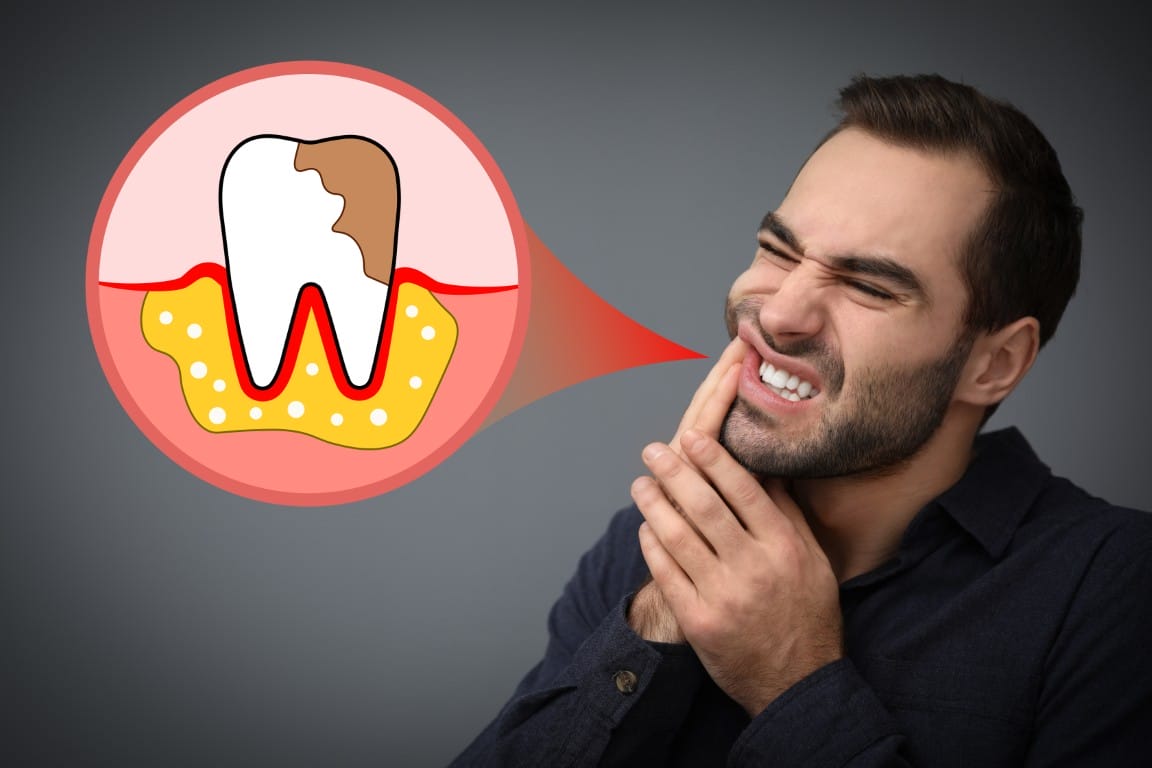


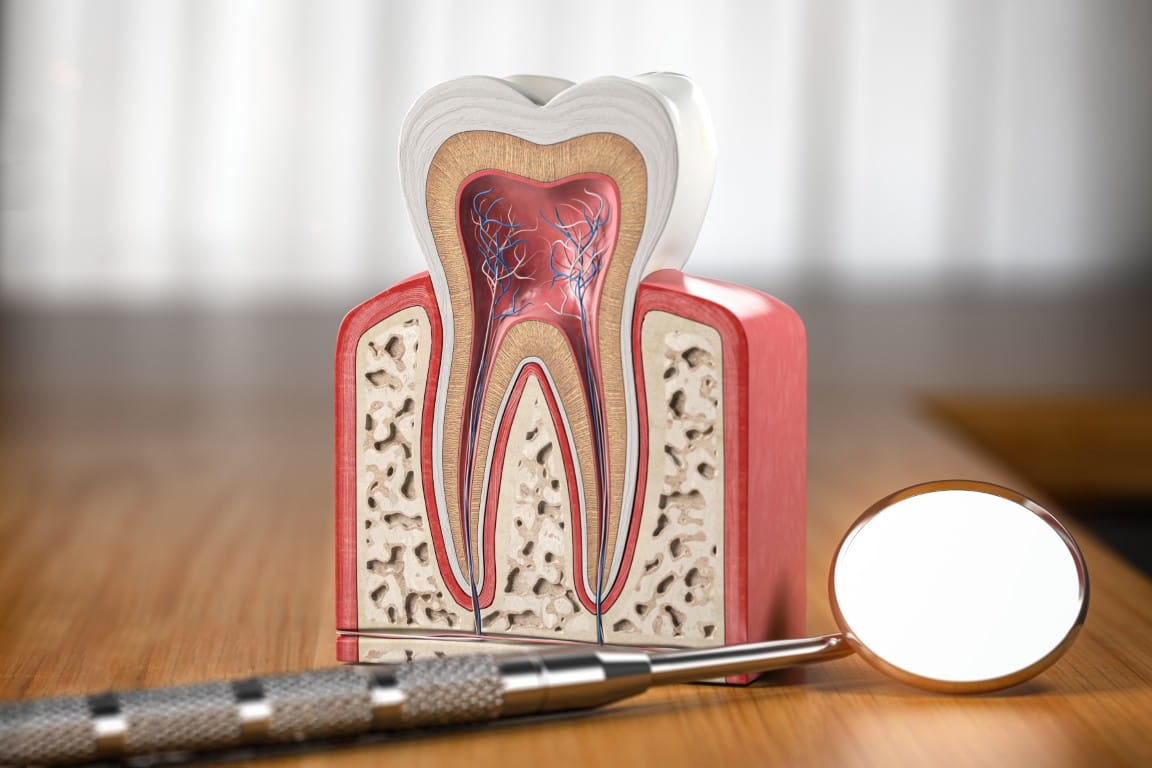
Most people assume a root canal is the final word in saving an infected tooth — and the vast majority of the time, it is. But occasionally a tooth keeps causing trouble even after a textbook root canal, and patients are understandably confused about why. At Acorn Family Dental Care in Berkeley, when that happens, the next step is often a procedure called a root resection, or apicoectomy. I'm Dr. Teah Nguyen, and I want to walk you through what it is, when it's needed, and what to expect — because the word "surgery" sounds scarier than this procedure usually is.
When a Root Canal Isn't Enough
During a root canal, we clean the infected tissue out of the canals inside a tooth, disinfect them, and seal them. It's a reliable, well-proven treatment. But teeth aren't built to a uniform blueprint — some have roots that curve sharply, narrow to a hair's width, or contain small accessory canals that branch off the main one. Sometimes calcium deposits build up and block access to the very tip of the root.
In those cases, even a carefully performed root canal can leave a pocket of infection right at the root tip that the instruments simply couldn't reach from inside the tooth. Infection can also develop later — it's not unusual for a tooth treated years ago to flare up again. When that happens, going back in through the top of the tooth won't solve the problem, because the issue is at the very bottom of the root. That's where a root resection comes in.
What the Procedure Involves
An apicoectomy approaches the problem from a different direction — through the gum, near the root tip, rather than down through the crown of the tooth. Here's how it typically goes:
- Numbing: We thoroughly numb the area with local anesthesia. For anxious patients, we also offer nitrous oxide and other comfort options so the visit feels manageable.
- Accessing the root: A small incision in the gum exposes the bone over the affected root tip.
- Removing the infection: The infected tissue around the root is carefully cleaned away, and the very tip of the root is trimmed off.
- Sealing the root end: A small filling is placed at the end of the root to seal it and prevent the infection from returning.
- Closing up: The gum is stitched back into place so the tissue can heal.
The whole point is conservative: remove just the problem at the root tip while keeping the rest of your natural tooth intact.
Signs You Might Need One
Because a lingering root-tip infection doesn't always cause obvious pain, it's sometimes discovered on a routine X-ray rather than because something hurts. Other times, patients notice:
- Recurring tenderness, swelling, or a small bump on the gum near a previously treated tooth
- Discomfort when biting or pressing on the area
- A tooth that was treated with a root canal months or years ago and is now acting up again
If you've had any of these around a tooth that's already had a root canal, it's worth getting it evaluated. Catching a lingering infection early gives us the best chance of saving the tooth.
What Recovery Looks Like
Recovery from an apicoectomy is usually more comfortable than people expect. Most patients are back to normal activities within a day or two. You can plan on:
- Mild swelling that peaks in the first 48 hours — ice helps
- Soreness that's typically well controlled with over-the-counter pain relievers
- A few stitches that either dissolve or come out at a short follow-up visit
- Soft foods for a few days and gentle care around the surgical site
The bone around the root tip continues to heal over the following months, and we'll confirm with an X-ray down the line that the infection has fully cleared.
Why Saving the Tooth Matters
You might wonder why we go to the trouble instead of simply pulling the tooth. The answer is that nothing replaces a natural tooth quite as well as the tooth itself. Keeping it preserves your natural bite, maintains the jawbone around it, and prevents neighboring teeth from drifting into the gap. An apicoectomy is recommended precisely when it gives your own tooth a realistic chance to stay put. If a tooth is too damaged for the procedure to succeed, we'll be straightforward with you about that and talk through replacement options like a dental implant.
The Bottom Line
A root resection is a tooth-saving procedure, not a last resort to fear. When a root canal hasn't fully done the job, it lets us clear stubborn infection and hold onto your natural tooth. If you've had ongoing or recurring symptoms around a tooth that's already been treated, an evaluation is the right next step.
Have questions or want to find out whether a root resection is right for you? Call our Berkeley office at (510) 848-0114 to schedule an evaluation.