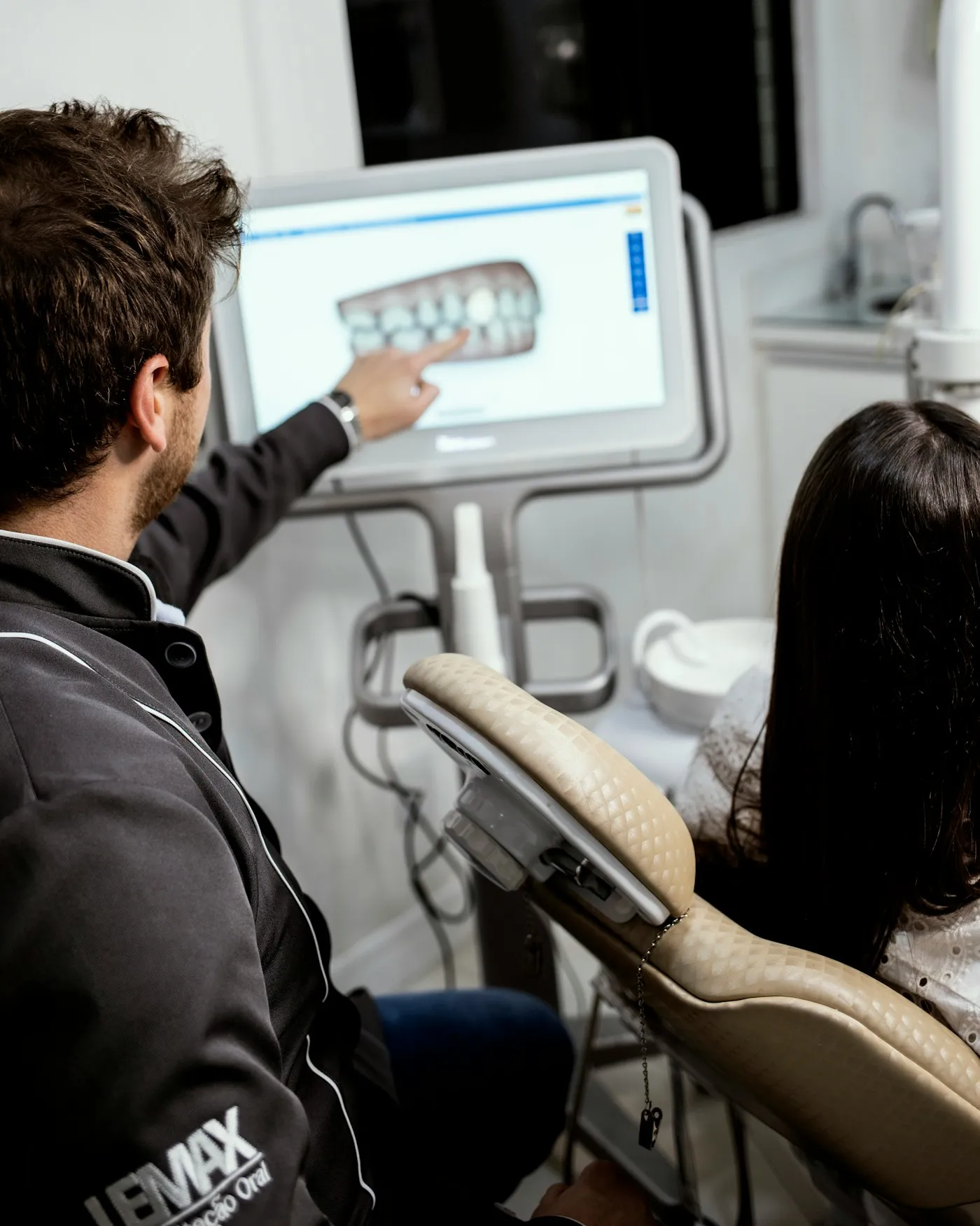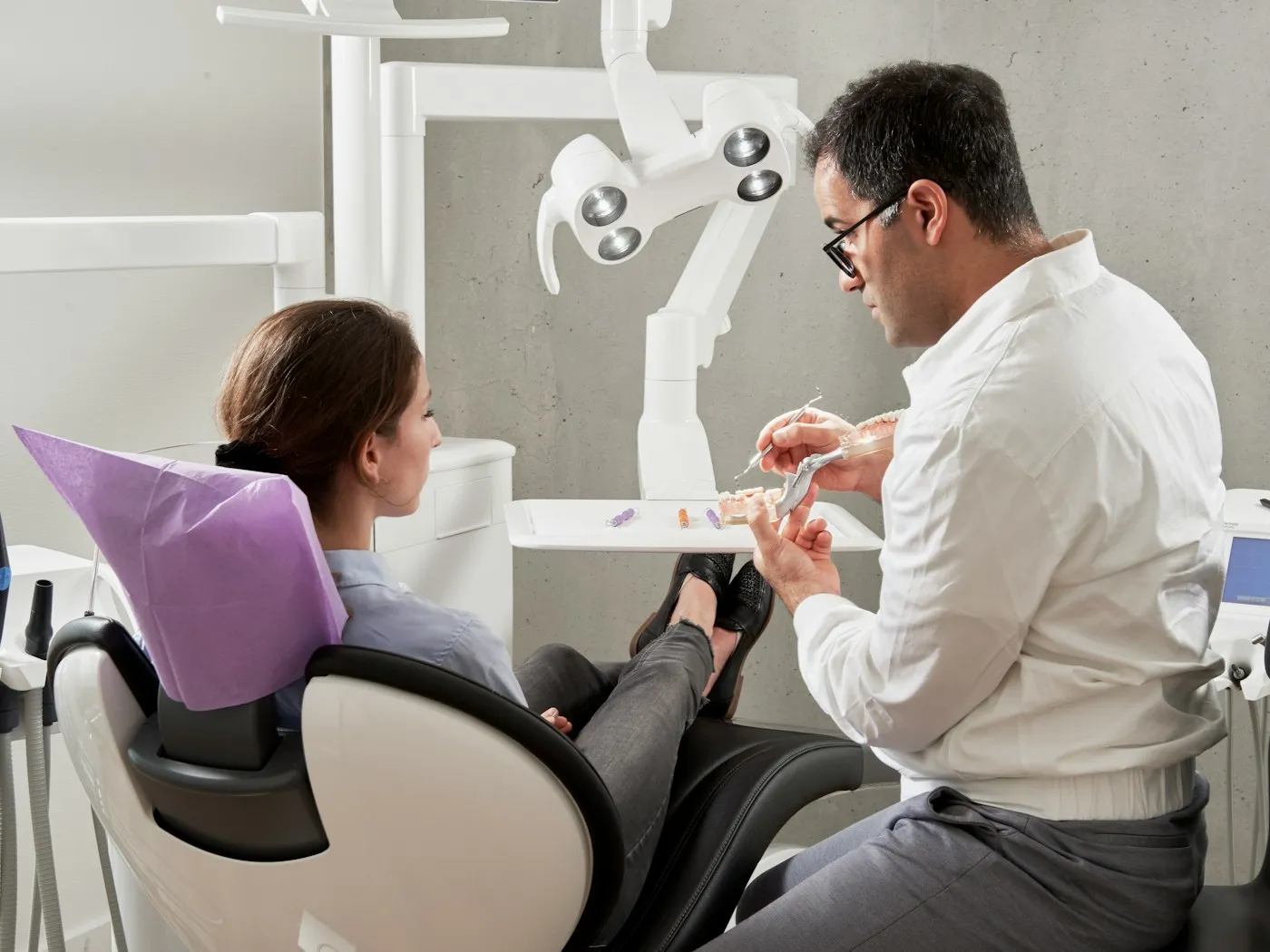

Most people who finally book a bad breath dentist appointment in Berkeley have been carrying the problem for years. They've tried the drugstore aisle, cut out coffee, doubled up on mouthwash, and still walk into the office expecting a lecture about brushing harder. That isn't what happens. A real halitosis visit at our Berkeley office is a structured diagnostic appointment — closer to a medical workup than a routine cleaning — and it usually ends with a specific reason your breath smells and a plan aimed at that reason, not a guess. Here's exactly what to expect from the moment you check in until you walk out.
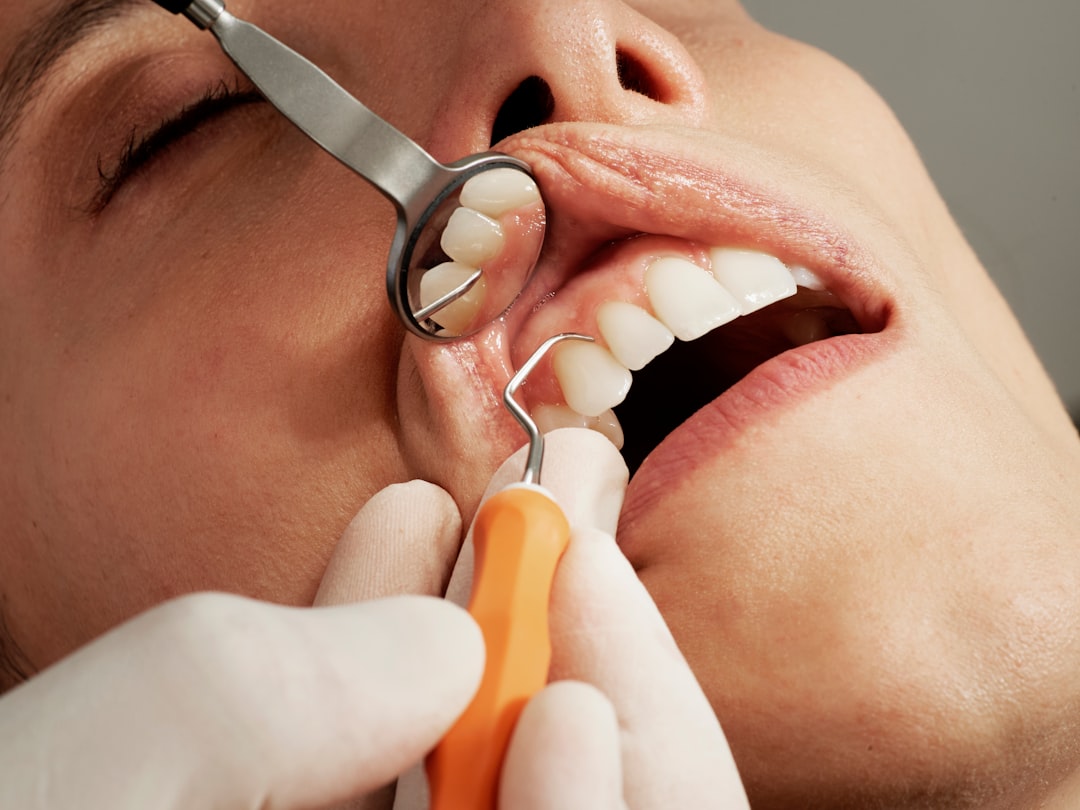
Before You Book: What to Do the Morning of the Visit
The single biggest mistake people make before a halitosis appointment is showing up "clean." A last-minute brushing, a swish of mouthwash, or a mint on the drive over can mask the exact volatile sulfur compounds we need to measure. For the visit to be useful, follow these prep rules for the four hours before your appointment:
- No mouthwash, breath spray, or gum for 12 hours.
- No garlic, onion, or coffee that morning.
- No brushing or flossing within 4 hours.
- No perfume or scented lip balm — those interfere with the smell test.
Yes, it feels backwards. But a masked mouth gives a false-clean reading, and false-clean readings are how patients end up cycling through the wrong treatments for years.
Step 1 — Intake and Medical History (About 15 Minutes)
The visit starts with a conversation, not a chair. We ask when the odor started, whether it's constant or worse at certain times of day, who first told you, and whether close contacts still notice. We list every medication you're on — antihistamines, antidepressants, blood pressure pills, and reflux drugs are common dry-mouth culprits. We ask about sinus history, tonsil stones, snoring, reflux, and any recent dental work. This step alone eliminates about a third of possible causes before we look inside your mouth. If a medication is likely the driver, we cover that pattern in detail in our post on how prescription dry mouth causes chronic bad breath.
Step 2 — The Organoleptic Test and Sulfur Reading
Now we measure. First is the organoleptic test, which is a clinical way of saying a trained clinician smells your breath from both mouth and nose at a set distance. The human nose still outperforms most consumer devices for the specific gases behind halitosis, and comparing mouth-breath to nose-breath tells us whether the source is oral or coming from your sinuses. Second is a chairside sulfide monitor. It quantifies three gases:
- Hydrogen sulfide — the "rotten egg" note, usually tongue coating.
- Methyl mercaptan — the "old cabbage" note, strongly linked to gum disease.
- Dimethyl sulfide — the "sweet, sulfury" note, often a systemic clue.
A methyl mercaptan reading above roughly 250 parts per billion is a hard signal that periodontal disease is driving the smell. The National Institute of Dental and Craniofacial Research puts the U.S. adult gum disease rate at about 42 percent, so this finding is common — and it changes the plan. These numbers also give us an objective baseline so you can measure progress later without asking your partner to grade your breath.
Step 3 — The Periodontal and Soft-Tissue Exam
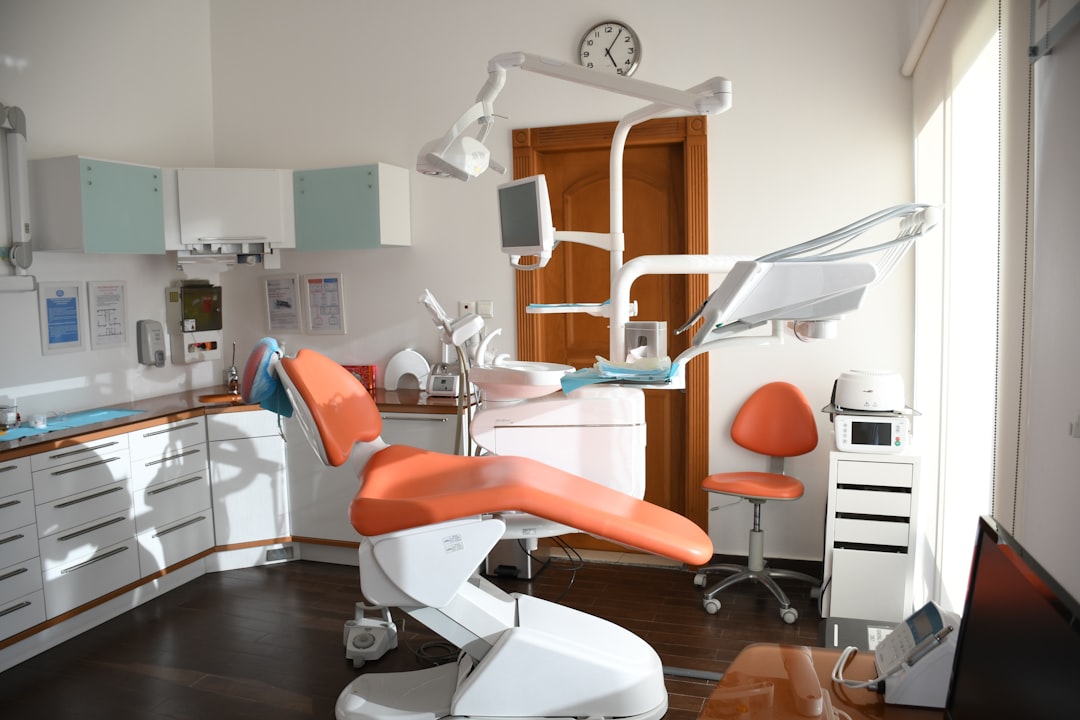
Next we probe. A dental hygienist or Dr. Nguyen measures pocket depths at six points around every tooth, checks for bleeding, and records gum recession. Pockets deeper than 4 mm harbor anaerobic bacteria that brushing cannot reach — that's where much of the sulfur comes from. If we find active periodontitis, gum therapy moves to the front of your plan. We break down the periodontal side of this in our post on how gum disease drives most chronic halitosis cases.
The tongue and tonsil check
We inspect the dorsum of your tongue, especially the back third where most odor-producing biofilm lives, and evaluate coating thickness and any deep fissures. We also look at your tonsils under a good light for cryptic pockets that trap tonsil stones. Coated tongue plus a nose-worse smell often points elsewhere, which we untangle in postnasal drip and bad breath.
Saliva flow and pH screen
You'll be asked to spit into a small cup for 5 minutes. That measures unstimulated saliva flow. A rate under 0.1 mL per minute means dry mouth is either causing or accelerating your halitosis. Saliva pH gets checked at the same time. Dry mouth is one of the most underdiagnosed drivers we see at any bad breath dentist appointment in Berkeley, and it changes treatment entirely — hydration strategy and medication review, not more scraping.
Step 4 — Ruling Out Non-Oral Causes
Roughly 10 percent of chronic halitosis has a source outside the mouth. If your sulfur readings are high but your gums, tongue, and saliva all look clean, we widen the search. We check for enamel erosion patterns on the back of upper front teeth — a fingerprint for silent reflux. We review medications a second time with dry mouth as the lens. We flag sinus-forward symptoms and refer to ENT when needed. We also ask about blood sugar, unexplained weight loss, and any recent labs. We do not diagnose systemic disease from the dental chair, but we do coordinate the referral so nothing gets dropped.
Step 5 — The Plan You Leave With That Same Day
You do not leave without a plan. Depending on what we found, it lands in one of a few buckets:
- Periodontal-driven: scaling and root planing, then a tight maintenance schedule.
- Tongue-driven: a specific scraping protocol and, sometimes, an oral probiotic.
- Dry-mouth driven: hydration plan, xylitol, medication review with your MD, and prescription sialogogues if warranted.
- Systemic: targeted referral (ENT, GI, or primary care) with a written summary.
You also get your baseline VSC numbers, so the next visit compares against real data instead of guesswork. Patients almost always leave feeling relieved — not because the smell is gone, but because someone has finally named the cause. The full treatment framework lives on our chronic halitosis treatment page, and it's what the whole visit funnels into.
How Long the Visit Takes and What It Costs
Plan for 75 to 90 minutes on the first visit. That's longer than a standard hygiene appointment because most of the time is diagnostic — smell test, sulfide monitor, six-point probing, saliva timing, soft-tissue exam, and the conversation that ties it all together. Cost varies by what's included, whether X-rays are needed, and your insurance plan. We break costs down in what a Berkeley halitosis workup actually costs and what insurance covers. When you're ready to schedule, our Berkeley contact page has direct booking, phone, and the extended Wednesday evening hours we keep for working families.
Frequently Asked Questions
- Can I just book a regular cleaning and mention my bad breath? You can, but a standard hygiene visit isn't structured for it. You will not get a sulfide reading, a saliva flow test, or the intake time needed. Ask for a halitosis appointment specifically.
- Will you be able to smell my breath if I follow the prep rules? Yes — that's the point. The organoleptic test is designed for exactly this state. It is done professionally, without judgment, and it's the single most useful data point in the visit.
- How soon will my breath actually improve? If gum disease is the driver, patients often notice a change within 2 to 3 weeks of the first scaling appointment. Dry-mouth cases can take longer because behavior and medication changes have to compound.
- Do you treat kids for chronic bad breath? Yes. Pediatric halitosis usually has a smaller list of causes and is often resolved in one or two visits. We adjust the workup for age.
- Is a halitosis workup covered by insurance? Parts of it usually are — the periodontal exam, imaging, and any needed cleaning. The specialty portion (sulfide monitor, saliva testing) is often billed separately. We give a written estimate before we start.
- What if my gums and teeth look fine and I still have bad breath? Then the visit becomes even more important. Nose-worse smell, high dimethyl sulfide, or normal periodontal findings all point away from the mouth, and we work the referral path from there.